What Is Shoyu (醤油)? Japan's Essential Soy Sauce
A small bottle sitting quietly on the table.
A few drops transform an entire meal.
Rich, savory, and full of umami.
This is Shoyu (醤油)—Japan's famous soy sauce and one of the country's most important seasonings.
Whether it's drizzled over sushi, brushed onto grilled foods, or stirred into ramen broth, shoyu has been adding depth and flavor to Japanese cooking for centuries.
Simple in appearance, yet incredibly complex in taste, it's a staple found in almost every Japanese kitchen.
What Is Shoyu?
Shoyu (醤油) is Japanese soy sauce.
It's traditionally made by fermenting four simple ingredients:
- Soybeans
- Wheat
- Salt
- Water
During fermentation, natural microorganisms slowly develop the deep, savory flavor known as umami, creating a seasoning that's salty, slightly sweet, and wonderfully aromatic.
The process often takes several months, with some artisan producers aging their shoyu for over a year.

Why Is Shoyu So Important?
It's difficult to imagine Japanese cuisine without shoyu.
It seasons countless dishes, including:
- Sushi and sashimi
- Ramen
- Tempura dipping sauce
- Grilled fish
- Yakitori
- Rice dishes
- Stir-fries
- Simmered foods
Rather than overpowering ingredients, shoyu is prized for enhancing their natural flavors.
A few drops can completely change the taste of a dish.

The Five Main Types of Japanese Shoyu
Japan produces several varieties of soy sauce, each suited to different foods.
Koikuchi (濃口)
The most common soy sauce in Japan.
Rich, balanced, and used in everyday cooking.
Usukuchi (薄口)
Lighter in color but actually slightly saltier.
Popular in the Kansai region for preserving the color of delicate dishes.
Tamari (たまり)
Made with little or no wheat.
Thicker, richer, and excellent for sashimi and glazing grilled foods.
Saishikomi (再仕込み)
Double-brewed for an especially deep flavor.
Often served with premium sashimi.
Shiro (白)
A very light-colored soy sauce made with more wheat than soybeans.
Used when chefs want seasoning without darkening the food.
Where Did Shoyu Come From?
Soy sauce has ancient roots in Asia, but Japan developed its own distinctive style over hundreds of years.
By the Edo period (1603–1868), shoyu production had flourished.
The city of Noda in Chiba Prefecture became one of Japan's most famous soy sauce-producing regions—a reputation it still holds today.
Why Does Shoyu Taste So Good?
The secret is fermentation.
As the soybeans and wheat ferment, they create hundreds of natural flavor compounds.
These compounds produce:
- Umami
- Gentle sweetness
- Rich aroma
- Mild acidity
- Deep complexity
This balance makes shoyu one of the world's most versatile seasonings.
Fun Facts About Shoyu
- Shoyu has been part of Japanese cuisine for hundreds of years.
- Traditional shoyu is naturally fermented rather than simply mixed together.
- Japan produces several different varieties, each with unique flavors.
- Koikuchi shoyu accounts for the majority of soy sauce used in Japan.
- A small amount of shoyu can dramatically enhance the flavor of a meal.
Frequently Asked Questions
What is shoyu?
Shoyu is Japanese soy sauce made from fermented soybeans, wheat, salt, and water.
Is shoyu the same as soy sauce?
Shoyu is Japan's traditional style of soy sauce. While many countries make soy sauce, Japanese shoyu has its own brewing methods and flavor profiles.
Why does Japanese soy sauce taste sweeter?
The wheat used during fermentation gives many Japanese soy sauces a milder, slightly sweeter flavor than some other varieties.
Can shoyu be used for cooking?
Yes. It's used in marinades, soups, dipping sauces, stir-fries, grilled dishes, and countless other recipes.
Is shoyu gluten-free?
Most shoyu contains wheat. People avoiding gluten often choose tamari, which is traditionally made with little or no wheat (though it's still important to check the label).
🇯🇵 Keep Discovering Japan
If you enjoyed learning about shoyu, you might also like: What Is Miso (味噌)? Japan's Rich and Savory Fermented Paste
👋 Meet a JapPop Resident
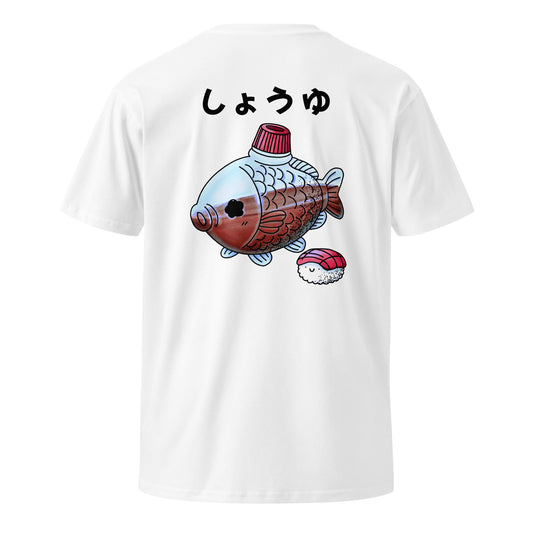
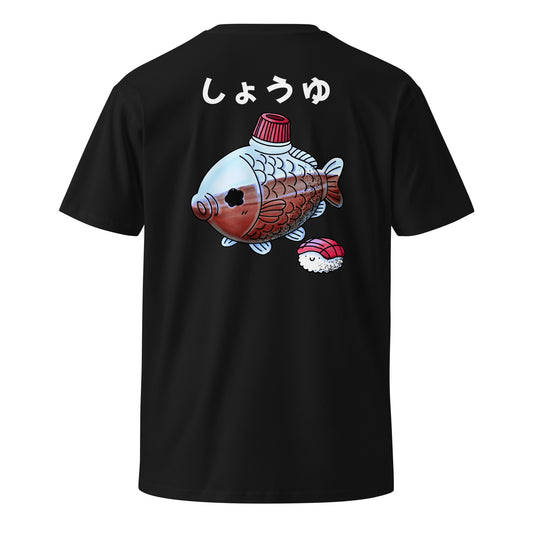
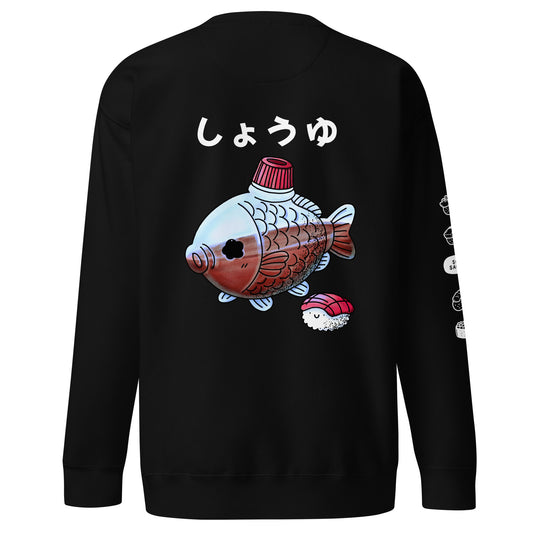
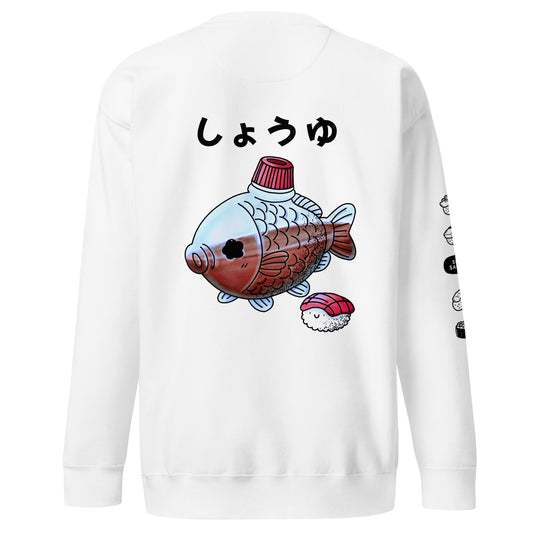
Soy Mate
しょうゆさし君
Some seasonings like to steal the spotlight.
Soy Mate prefers making everyone else taste better.
Always ready with the perfect pour, this tiny soy sauce bottle believes even the simplest meal deserves a little extra umami.
After all...
great flavors are often just a few drops away.
👉 Meet Soy Mate and discover more residents from the JapPop Universe.

🇯🇵 About JapPop
At JapPop, we celebrate Japanese culture through playful illustrations, original characters, and stories inspired by everyday life in Japan.
From beloved foods and traditional festivals to folklore, lucky gods, and language, every article introduces another piece of Japan—and another resident from the growing JapPop Universe.
Whether you're discovering an ancient tradition or meeting a quirky new character, there's always something new to explore.
Discover Japan, one story at a time. 🇯🇵✨